Huge sound, bedroom volume and happy neighbours – is that actually possible? Anyone who plays guitar at home quickly realises that the amplifier is just as important as the guitar itself. Especially in the living room or bedroom, a completely different set of rules applies compared to the rehearsal room. Volume needs to be manageable, the tone should be convincing even when quiet – and ideally, the amp should offer enough features to keep your practice sessions varied and engaging.
If you're learning guitar or looking to take your playing to the next level, finding a great practice amp is key. A good guitar amplifier for home use isn't simply "small"; it is cleverly tailored to everyday life: playable at low volumes, versatile and hassle-free. We show you how to take your living room tone to the next level!
The Essentials of the Best Practice Guitar Amp at a Glance
As a rule of thumb: Compact modeling amplifiers ranging from 5 to 20 watts are the best choice for the living room, as they deliver an excellent, punchy tone even at conversation volume.
Crucial features: When buying, make sure to look out for essential connections such as a headphone output for silent practice and an AUX-in or Bluetooth for jamming along to your favourite songs.
Top tip: You don't need to spend a fortune – the £100 to £300 price bracket already offers excellent practice amps with built-in effects that will keep you motivated for years to come.
Why the Right Amp Matters at Home
In a band environment, things can get loud and punchy. At home, however, it is all about balance. You want to practise without disturbing neighbours or housemates – whilst still enjoying an inspiring tone.
Many classic valve amplifiers only start to sound truly alive when they are cranked up loud. That is rarely practical in a domestic living room. Modern practice amps (especially so-called modeling amplifiers) solve this problem: they deliver a convincing tone even at low volumes and frequently offer additional features like built-in effects or headphone jacks.
Simply put: an amplifier that sounds brilliant and is instantly ready to go ensures that you pick up your guitar more often, play for longer and simply have more fun!
Which Amp Is Best for You?
For Beginners
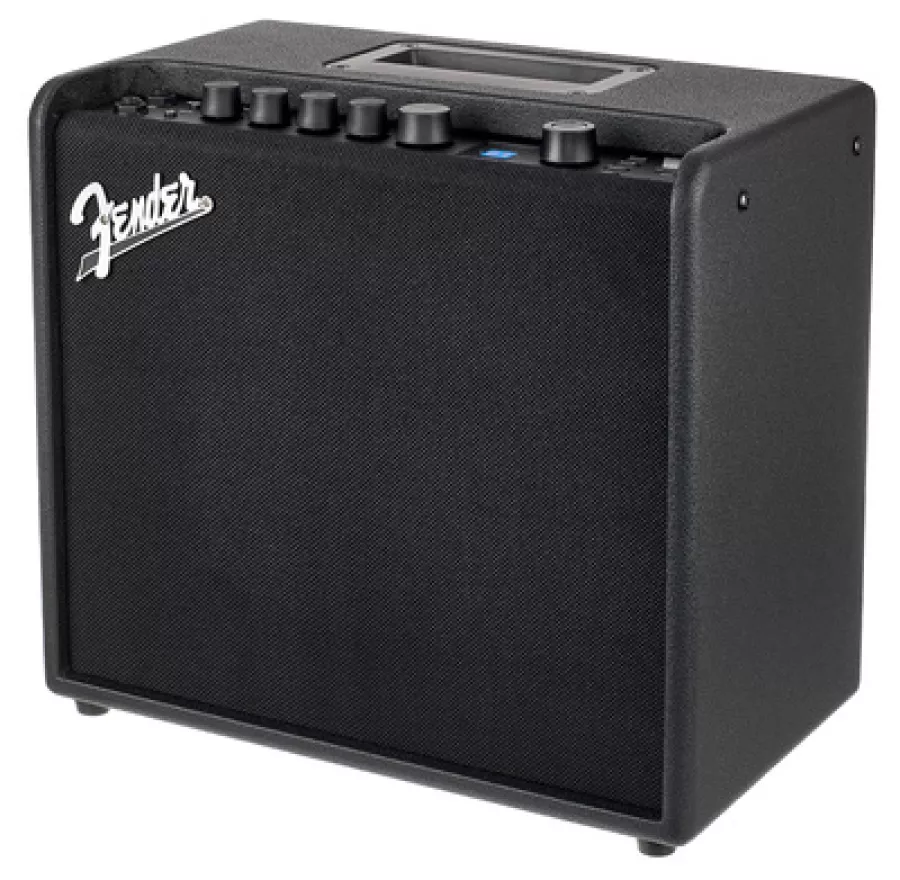
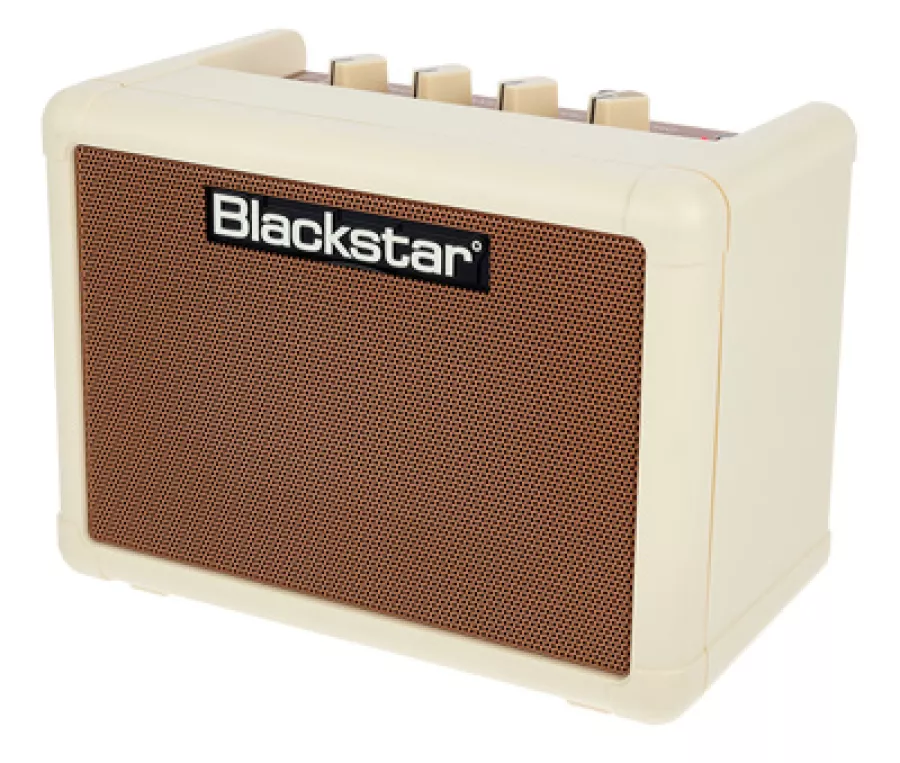
When you are just starting out, you want to focus on your playing rather than reading manuals. This is where models like the Fender Mustang LT25 or the Blackstar Fly 3 really shine. They offer straightforward controls, great-sounding presets and instant fun without overwhelming you with tweakable parameters.
For Advanced Players
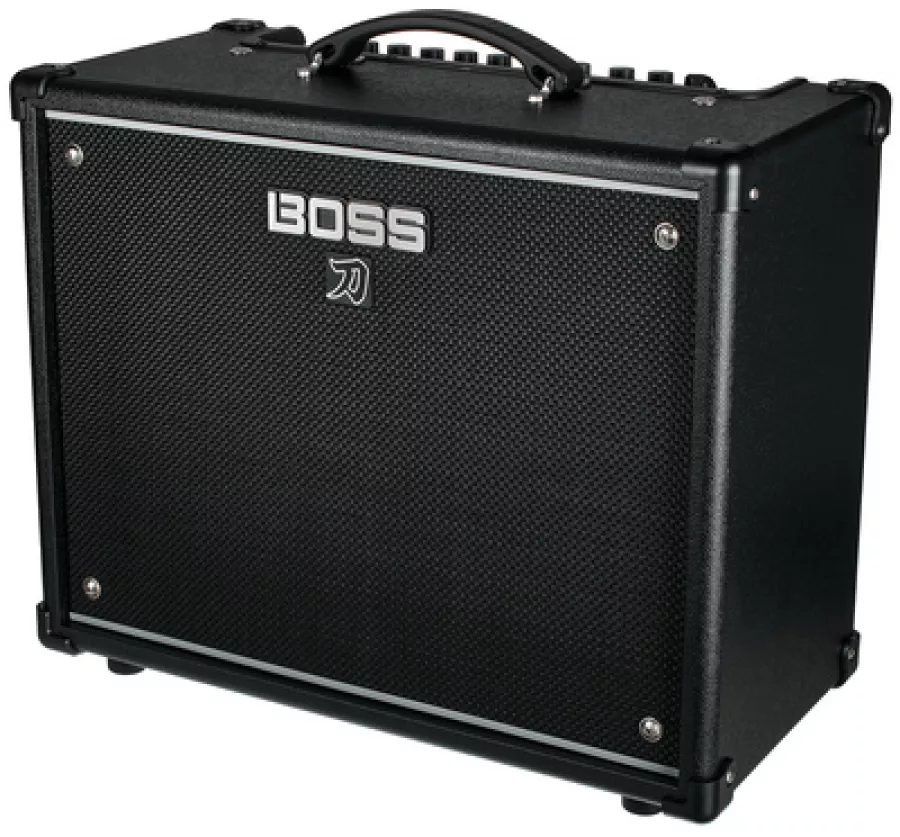
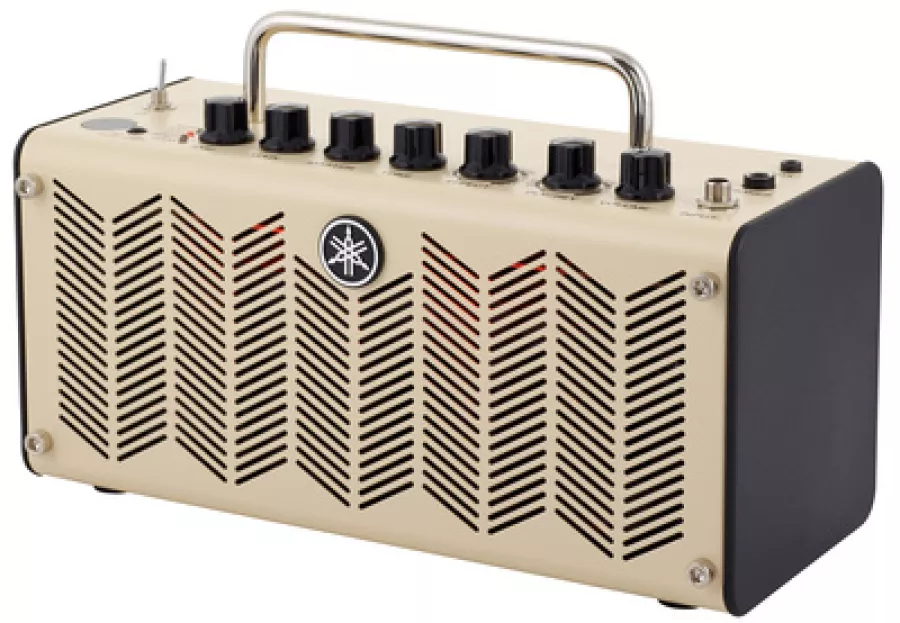
Those who have been playing for a while are usually looking for a specific tonal character and greater control over their sound. The Boss Katana-50 offers immense depth in tone shaping, while the Yamaha THR5 stands out with its high-end playing feel and dynamic response.
Top 5 Best Practice Guitar Amps for Home Use
| Boss Katana 50 | Fender Mustang LT25 | Blackstar Fly 3 | Yamaha THR5 | Fender Mustang Micro |
Power | 50W (attenuable) | 25W | 3W | 10W | - |
Size | Medium | Compact | Very small | Desktop | Tiny |
Effects | Huge selection | Many presets | Few | Premium | Many |
Headphones | Yes | Yes | Yes | Yes | Yes |
Operation | Moderate | Very simple | Very simple | Simple | Very simple |
Price | £259 | £149 | £65 | £179 | £105 |
1. Boss Katana-50 Gen 3 – The All-Rounder
The Boss Katana has become a modern classic among practice amps. It offers numerous amp models, effects and enough power to hold its own in later band rehearsals. The ultimate highlight for home use: the power output can be dialled down to 0.5 watts with a simple switch – giving you a fat tone at bedroom volume!
Pros: Incredible sonic variety, cuts through the mix excellently, power attenuation.
Ideal for: Beginners to advanced players who want everything packed into a single unit.
2. Fender Mustang LT25 – The Intuitive Choice
The Fender Mustang LT25 is a textbook example of a straightforward practice amp. Dozens of pre-configured sounds can be accessed via the colour display. This makes getting started incredibly easy, without having to dive deep into menus or technical settings. Just plug in, select a preset and start playing!
Pros: Child's play to operate, fantastic clean Fender tones, very lightweight.
Ideal for: Beginners who want to get started straight away without any frustration.
3. Blackstar Fly 3 – The Tiny Wonder
An ultra-compact mini amp that offers surprisingly great sound for very little money. The Fly 3 is battery-powered and fits into any backpack. It is perfect for spontaneous sessions in the park, on the couch or as a handy secondary amp.
Pros: Extremely portable, unbeatably affordable, remarkably full sound for its size.
Ideal for: Tight budgets, travelling, campfires.
4. Yamaha THR5 – The Stylish Desktop Companion
The Yamaha THR series completely revolutionised the desktop amplifier market. Looking more like a sleek retro radio, it blends beautifully into any living room aesthetic. Thanks to its specialized hi-fi technology, it creates an incredibly spacious and high-end sound – bringing true studio vibes into your home.
Pros: Beautiful design, outstanding sound quality, brilliant stereo audio.
Ideal for: Discerning home players with an eye for style.
5. Fender Mustang Micro – The Silent Solution
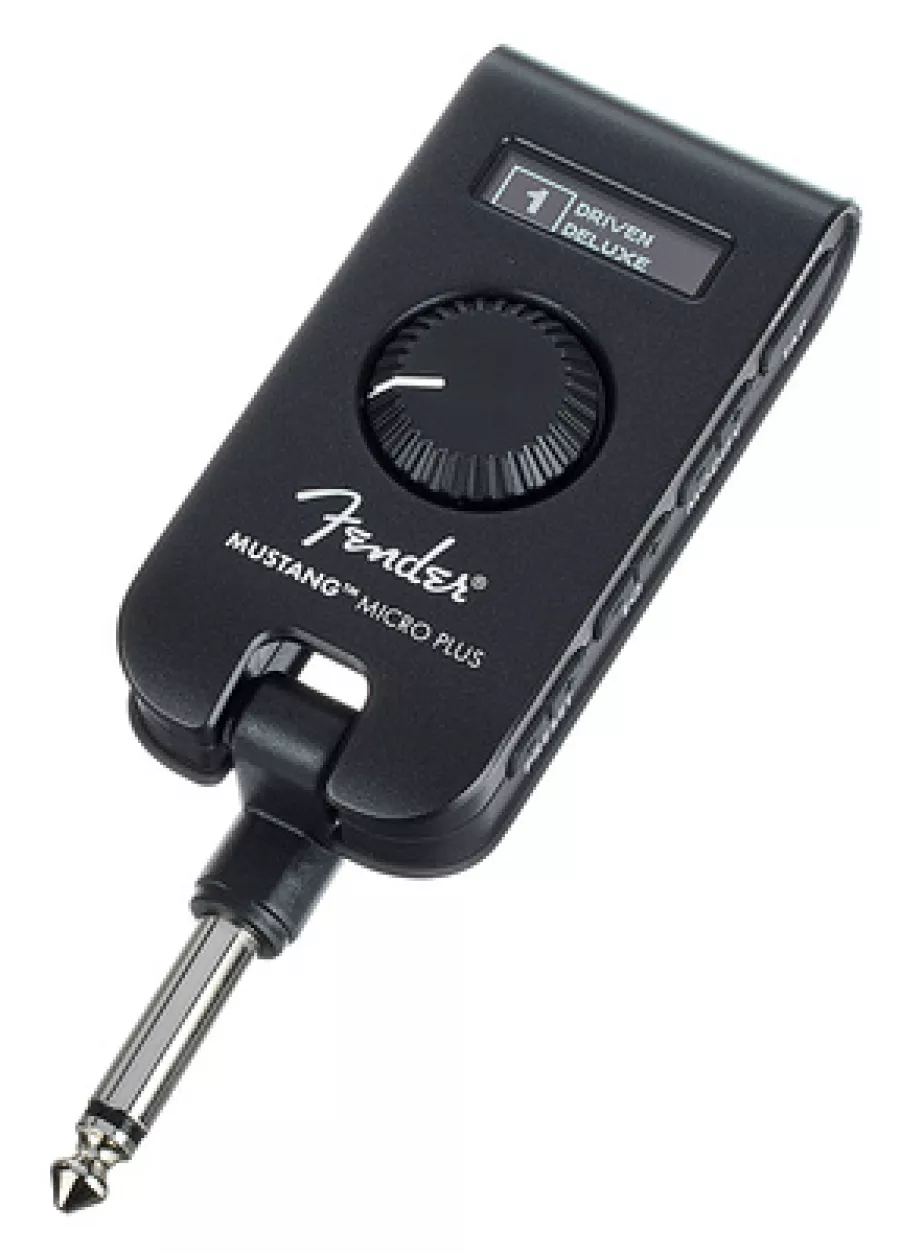
This isn't actually an amplifier in the traditional sense! The Mustang Micro is a compact headphone amp. You plug it directly into your guitar's output jack, connect your headphones and enjoy massive tone – completely silently for those around you. It even includes Bluetooth for jamming along!
Pros: 100% silent for neighbours, incredibly tiny, great selection of sounds.
Ideal for: Guitarists who can only practice at night or travel frequently.
Essential Criteria: How to Find the Perfect Practice Amp
1. Wattage and Volume
The wattage determines how loud an amplifier can get. For home use, follow this general rule:
5–10 watts: Perfect for the bedroom and absolutely sufficient for pure practice.
10–20 watts: The ideal sweet spot for flexible practicing at room volume.
50+ watts: Generally intended for band rehearsals or live performances on stage.
For home use, 10 to 20 watts are plenty. However, more important than raw power is the question: does the amp sound good at low volumes?
2. Size & Portability
A home amplifier should be straightforward. It needs to be easy to carry around and compact enough so it doesn't get in your way. Some models can even be battery-powered. Mini amps or stylish desktop amplifiers are particularly handy if you want to play flexibly in the living room, at your desk or on the sofa.
3. Sound Quality & Effects (Modeling Amps)
Built-in effects are worth their weight in gold, especially for beginners. You save money on expensive external effects pedals and get direct access to:
This is where modeling amps reign supreme. They digitally simulate a wide variety of amplifier types (from crystal-clear clean amps to roaring metal stacks) – making them perfect for finding your own musical style.
4. Connectivity Options
A modern practice amp should seamlessly fit into your existing setup. Look out for at least the following connections:
Headphone jack: Absolutely essential for completely silent practice sessions late at night.
AUX-In or Bluetooth: This allows you to connect your smartphone and jam along directly to your favourite tracks or backing loops.
USB: Highly practical for recording onto a PC or controlling settings via dedicated software.
5. Value for Money
A great guitar amplifier does not have to cost a fortune. The £100 to £300 price range already features incredibly powerful models from renowned manufacturers that deliver top-tier sound and functionality across the board.
Your Setup for Success: How to Turn Your Living Room into a Stage
In the end, there is no single best practice guitar amp for home use – only the one that fits your personal requirements and home environment best. For many beginners, modern modeling amps are the finest choice. They combine good sound quality with a wide range of tones and effects without requiring you to dive deep into technical complexities.
If you need to be exceptionally mindful of flatmates, ultra-compact solutions or a headphone amp (like the Mustang Micro) are your best bet. Don't forget: motivation is everything! An amplifier that sounds great, looks fantastic and is easy to use will inevitably ensure that you pick up your guitar every single day.
Have you found your best practice guitar amp for home use? Perfect! To make sure your musical journey gets off to a flying start, we are here to guide you step by step. The best amplifier in the world is of little use if you don't know how to coax the right notes out of it. While your gear takes care of the tone, we at music2me look after your playing. In our online courses, you will not only learn the proper techniques but also how to get the absolute most out of your new amp.
Learn guitar with music2me!
Do you dream of playing your favourite songs around the campfire or rocking out to the riffs of your heroes? With music2me, you can learn guitar at your own pace – step by step with a system that truly helps you progress, whether you’re a beginner or already advanced.
Discover guitar course now
FAQ: Best Practice Guitar Amp for Home Use
How many watts should a home guitar amp have?
For pure home use, 5 to 20 watts are absolutely sufficient. Anything beyond that (such as 50 or 100-watt amps) is usually unnecessarily loud for a living room and can often be difficult to adjust precisely at lower volume levels.
Are valve amplifiers suitable for home use?
Only to a certain extent. Valve amps (tube amps) usually only sound their best when the valves are driven into natural saturation – which is often deafeningly loud. For home use, modern modeling or solid-state amps are much more practical, as they sound excellent even at low volumes.
Do I need built-in effects in my amplifier?
For beginners especially, the answer is yes! Built-in effects (like reverb, delay or distortion) are incredibly helpful for exploring different musical genres and save you from spending money on expensive standalone pedals.
Can I plug headphones into any guitar amplifier?
Not into every single one, but certainly into almost all models designed specifically for home use. Always look out for a "Phones" or "Headphones" output in the specifications if silent practice is a priority for you.
Is a battery-powered guitar amplifier worth it?
Absolutely, if you love ultimate freedom! With mini amps like the Blackstar Fly 3, you are not tied to a mains socket. You can play spontaneously on the sofa, out on the balcony, in the garden or even sitting around a campfire.